Yuming Plastic Mold provides custom metal molding services of Cold Heading, Metal Stampings and Die Casting. We save your time and money managing different metal molding suppliers in China.
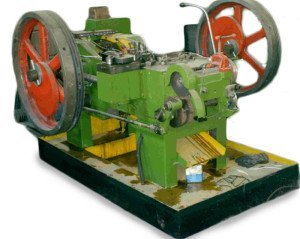
Cold heading or cold forming is a manufacturing process, starting with coiled wire or rod (steel, stainless, copper, aluminum, brass, etc.) being fed into a cold heading machine. The wire is automatically cut to a pre-determined length, partially inserted into a die and upset to form the head and/or another feature, such as a round shoulder.
The specialty cold heading process uses high speed automated "cold-headers" or "part formers." This equipment has the ability of transforming a wire into an intricately shaped part with tight and repetitive tolerances using a tooling progression at speeds up to 400 pieces per minute.
Various head types and forming capabilities for cold headed parts
Cold headed design capabilities are unlimited. Here are some typical applications for cold heading.
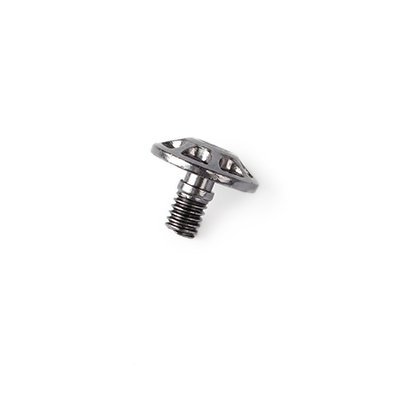
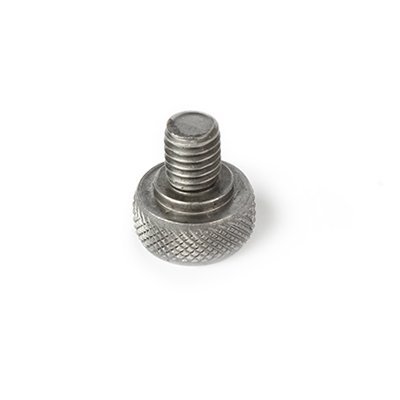
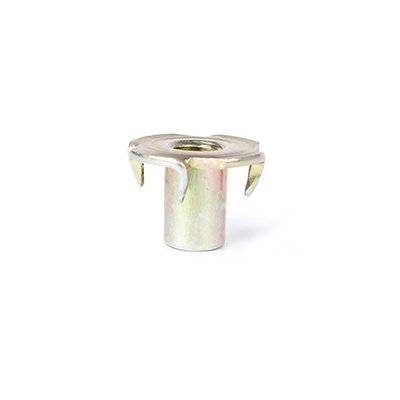
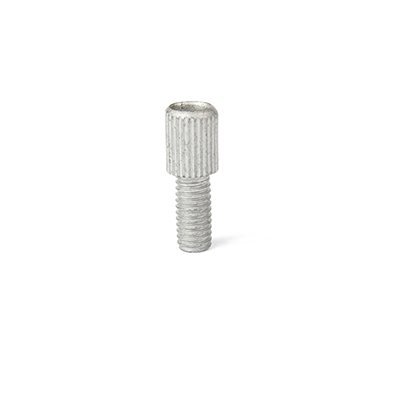
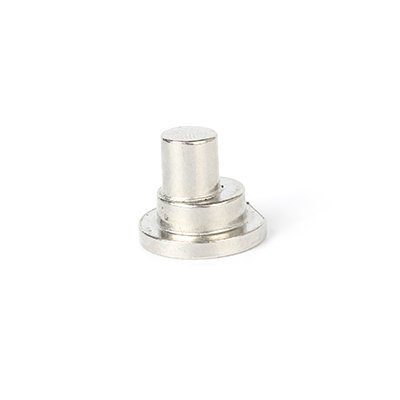
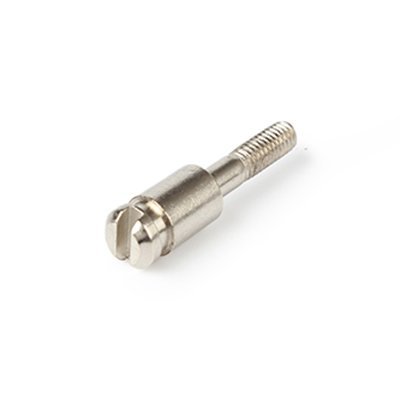
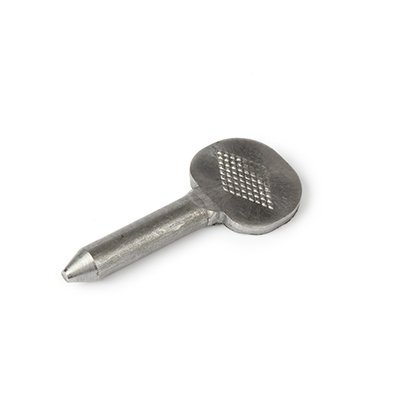
Here are a few examples of the cold headed parts we've made.
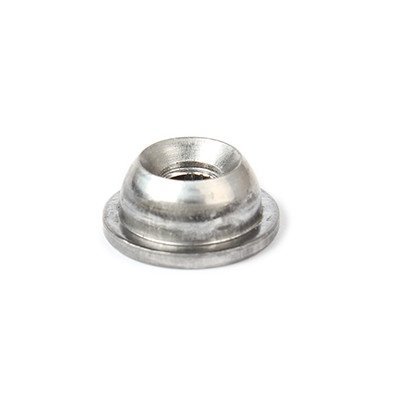
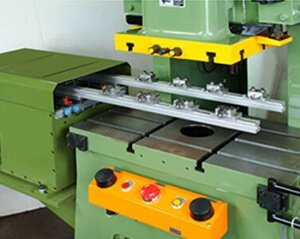
Stamping or pressing is the process of placing flat sheet metal in either blank or coil form into a stamping press where a tool and die surface forms the metal into a net shape.
Stamping includes a variety of sheet-metal forming manufacturing processes, such as punching, blanking, embossing, bending, flanging, and coining. This could be a single stage operation where every stroke of the press produces the desired form on the sheet metal part, or could occur through a series of stages.
The process is usually carried out on sheet metal, but can also be used on other materials, such as polystyrene. Stamping is usually done on cold metal sheet.
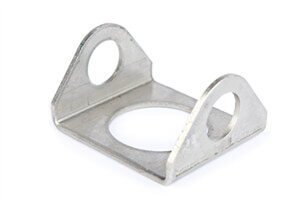
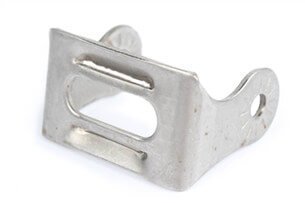
Typical stamped parts we produce
Many parts can be made using metal stamping. Industries served include electronics, medical, and automotive.
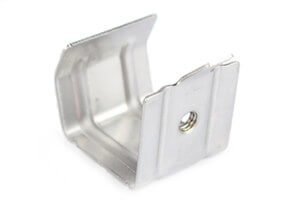
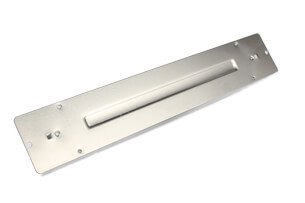
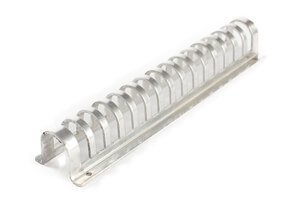
Here are a few examples of the stamped parts we've made.
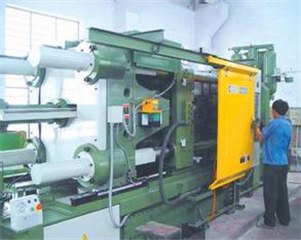
Die casting is a metal casting process that is characterized by forcing molten metal under high pressure into a mold cavity. The mold cavity is created using two hardened tool steel dies which have been machined into shape and work similarly to an injection mold during the process.
Most die castings are made from non-ferrous metals, specifically zinc, copper, aluminium, magnesium, lead, pewter and tin based alloys. Depending on the type of metal being cast, a hot- or cold-chamber machine is used.
The casting equipment and the metal dies represent large capital costs and this tends to limit the process to high volume production.
Here are some typical applications for die casting.
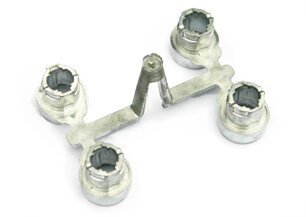
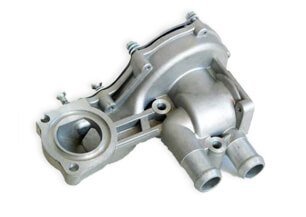
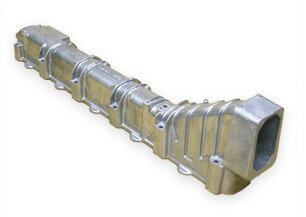
Examples of the die casted parts we've made.